
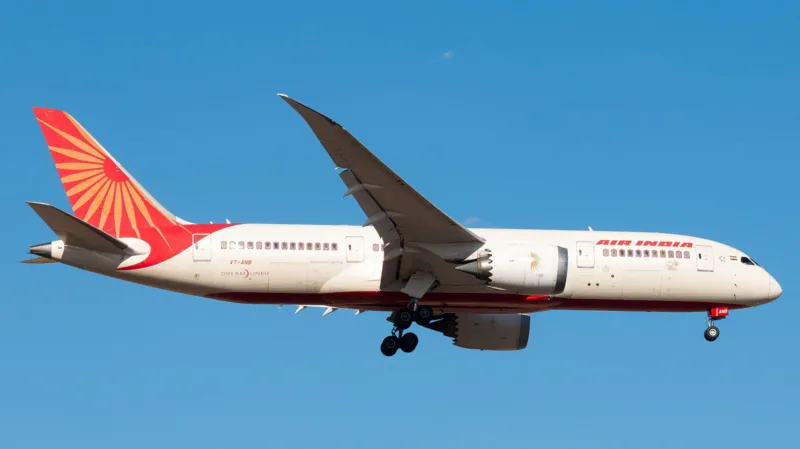
Air India Flight 171 Crash: Investigation into the 40-Second Tragedy
In one of India’s most shocking aviation disasters, Air India Flight 171 crashed just 40 seconds after takeoff from Ahmedabad’s Sardar Vallabhbhai Patel International Airport. The Boeing 787 Dreamliner, bound for London Gatwick with 242 passengers and crew, plummeted into a residential area on June 12, 2025, leaving no survivors.
Key Details of the Crash
- Flight path: Crashed moments after takeoff at 1:39 PM local time
- Aircraft: Boeing 787-8 Dreamliner (VT-ANH)
- Casualties: All 232 passengers and 10 crew members perished
- Black boxes: Both CVR and FDR recovered from crash site
What Caused the Crash?
Investigators are examining several critical angles:
- Engine Failure
- Potential bird strikes during takeoff
- Fuel contamination issues
- Mechanical faults in the Rolls-Royce Trent 1000 engines
- Pilot Error
- Analysis of final cockpit communications
- Possible mishandling of emergency procedures
- System Malfunctions
- Flight control computer issues
- Flap/slat configuration errors
- Automated system failures
Investigation Timeline
- Preliminary report: Expected within 30 days (by July 12, 2025)
- Final report: May take 12-24 months to complete
- International involvement: NTSB, UK AAIB, and Boeing participating
Global Aviation Impact
With 1,100+ Boeing 787s operating worldwide, this incident has raised urgent questions about Dreamliner safety. Aviation authorities are monitoring findings that could affect:
- Maintenance procedures
- Pilot training protocols
- Potential aircraft modifications
Expert Insight: “The 40-second duration makes this exceptionally rare,” says former AAIB investigator Capt. Kishore Chinta. “We’ve never seen a modern widebody jet crash so quickly after takeoff.”
As investigators comb through wreckage and analyze black box data, the aviation world awaits answers that could shape future safety standards. Updates will follow as the AAIB releases findings.
